Graduate Student

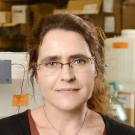
Maria Muñoz, BS

  • Graduate Student
  • Project 1
Maria Muñoz is a graduate student in the Pharmacology and Toxicology Graduate Program. She first worked as an undergraduate researcher studying the effects of environmental pollution on the lung, and then after graduation, in a cancer biology lab developing models of soft-tissue sarcomas. Maria is working to neuroprotective compounds against the toxic effects from acute organophosphate exposure.

Chelsea Unkel, BA

  • Graduate Student
  • Project 1
Chelsea Unkel is a Ph.D. student in the Pharmacology and Toxicology Graduate Program. She studies the role of neuroinflammation following acute organophosphate intoxication and potential therapeutics to reduce long-term sequalae, emphasizing translational models and understanding of epileptogenesis.

Internal Advisory Board

Kim Barrett, PhD

  • Vice Dean for Research, UC Davis School of Medicine
  • Distinguished Professor of Physiology and Membrane Biology
Dr. Kim Barrett is responsible for implementing key initiatives and fostering partnerships across UC Davis Health and with other schools, centers, and colleagues throughout UC Davis.

Simon Cherry, PhD

  • Distinguished Professor, Departments of Radiology and Biomedical Engineering
  • Co-Director, EXPLORER Molecular Imaging Center
Dr. Simon Cherry's research program focuses on developing innovative technologies for medical imaging, including the EXPLORER total-body PET/CT scanner.

Cristina Davis, PhD

  • Associate Vice Chancellor, Interdisciplinary Research and Strategic Initiatives, UC Davis Office of Research
  • Professor, Mechanical and Aerospace Engineering
Dr. Cristina Davis is responsible for initiating and advancing interdisciplinary and strategically important research programs through partnerships with federal, state and other entities.

Isaac Pessah, PhD

  • Associate Dean of Research, UC Davis School of Veterinary Medicine
  • Professor, Molecular Biosciences
Dr. Isaac Pessah is a specialist in molecular and cellular mechanisms regulating cellular Ca2+ signaling. He was a Project Lead in the UC Davis CounterACT Center of Excellence from 2012-2022 and is an accomplished neurotoxicologist. 

Pilot Project Recipients

Christelle Anaclet, PhD

  • Pilot Project Recipient 2023 - 2024
Dr. Christelle Anaclet is an associate adjunct professor in the Department of Neurological Surgery in the School of Medicine. Her pilot project confirmed major sleep-wake disruption after acute organophosphate intoxication with DFP. Dr. Anaclet is leveraging this knowledge to explore beneficial sleep interventions to help reduce seizures and improve cognitive function following organophosphate exposure. 

Matthew Armstrong, PhD

  • Pilot Project Recipient 2024 - 2025
Dr. Matthew Armstrong is a postdoctoral researcher in the Department of Molecular Biosciences in the School of Veterinary Medicine. HIs pilot project focuses on elucidating cellular and subcellular spatial organization and transcriptional dynamics driving the conversion from an acute response to organophosphate intoxication to chronic seizure disorder. Results will provide an understanding of which brain regions are most adversely affected, identify novel biomarkers, and provide direction for future therapeutic interventions.

Ali Izadi, PhD

  • Pilot Project Recipient 2022 - 2023
Dr. Ali Izadi is an assistant project scientist in the Department of Neurological Surgery in the School of Medicine. It is expected that in a mass casualty situation from organophosphate exposure there would be pediatric cases, yet there has been little research on how to treat this population. Dr. Izadi used his pilot project award to develop a pediatric animal model of DFP acute intoxication with the long-term goal of using it to improve patient outcomes.  

Postdoctoral Researcher

Matthew Armstrong, PhD

  • Postdoctoral Researcher
  • Project 1
Dr. Matthew Armstrong is a postdoctoral researcher in Dr. Pamela Lein's lab. He obtained a Ph.D. in Genetics & Molecular Biology from Emory University. He is using single-cell and spatial transcriptomic technologies to identify potential mechanisms underlying how OP exposure contributes to neuroinflammation and neurodegeneration.